Haint Blue Porches: The Story Behind Charleston's Most Beloved Porch Ceiling Color
If you've spent any time walking through Charleston's historic neighborhoods — or sat on a Southern porch anywhere in the Lowcountry — you've looked up and seen it. A soft, dreamy ceiling painted in a pale blue-green, the color of shallow water or an overcast sky just before noon. You may have admired it without knowing its name, or you may have heard it called haint blue and wondered what on earth a haint is.
For homeowners in the Charleston area, haint blue is more than a color trend. It's a piece of living history — one rooted in the Gullah Geechee culture that has shaped this region's character for centuries. At Murga Pro Painting Solutions, we love this tradition so much that we want to share the story behind it, and help you decide whether haint blue belongs on your porch ceiling too.
What Is Haint Blue?
Haint blue isn't a single, specific color — it's a family of soft blue and blue-green shades typically applied to the ceilings of porches, piazzas, and covered outdoor spaces. The palette ranges from barely-there sky blue to deeper aqua and sage-tinged teals, with no single correct shade. What unites them is their soft, muted character and their connection to a tradition that runs deep in the American South.
The word "haint" is a variation of the word "haunt" — Southern dialect for a ghost, restless spirit, or malevolent presence. And the color, according to the tradition that gave it its name, was meant to keep those spirits away.
Why Haint Blue Makes Design Sense for Charleston Homes
From a pure design perspective, haint blue is one of the most versatile and flattering exterior accents a homeowner can choose. Here's why it works so well, especially in our region:
It complements coastal architecture naturally. Charleston's historic homes — the single houses, the double piazzas, the Greek Revival and Victorian styles — all feature generous porch spaces and strong architectural lines. A haint blue ceiling enhances that character without competing with it.
It reads beautifully against white trim. The overwhelming majority of Charleston homes feature white or cream trim. Haint blue against crisp white is a classic pairing that's as fresh today as it was a century ago.
It softens the transition between inside and outside. A covered porch is neither fully indoors nor fully out. A blue ceiling helps blur that boundary, making the outdoor space feel like a true extension of the home rather than an afterthought.
It photographs beautifully. If you're thinking about resale or simply want your home to present well, haint blue porch ceilings photograph exceptionally well and often become the focal point of listing and lifestyle images.

Choosing the Right Shade of Haint Blue for Your Home
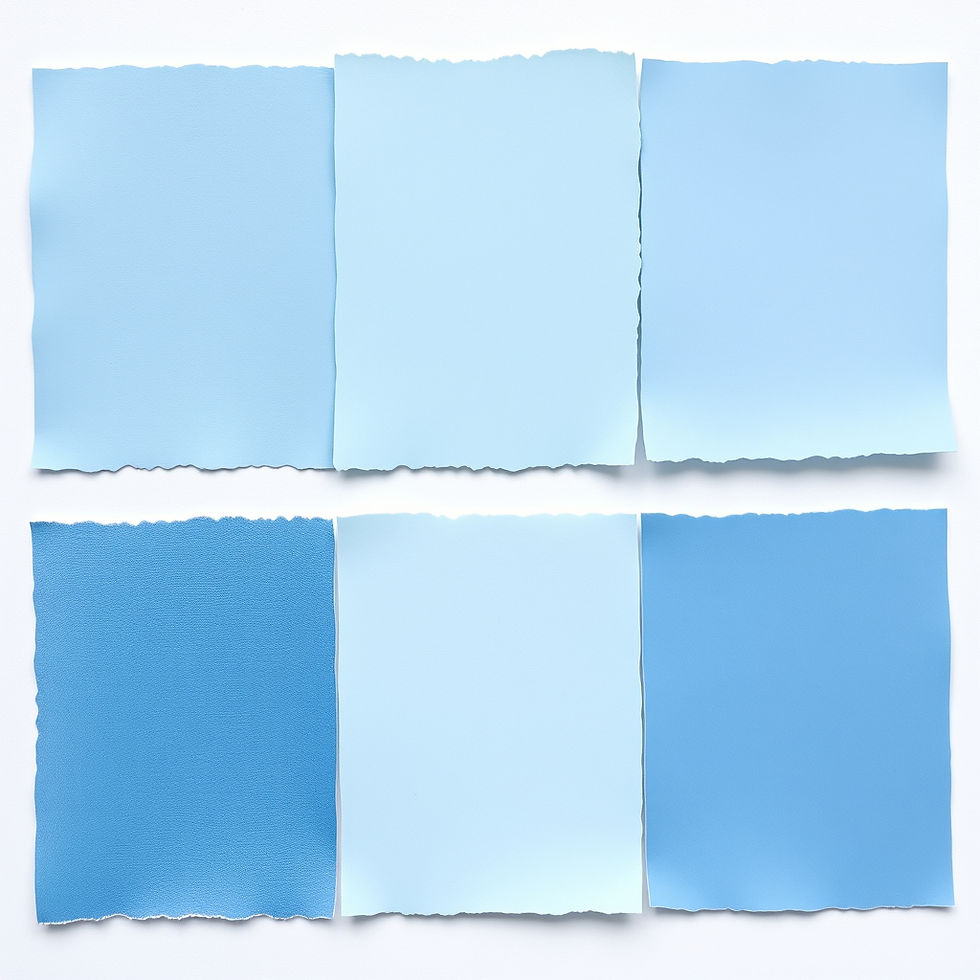
Because haint blue spans a wide spectrum, finding the right shade for your specific home takes a bit of thought. Here are some trusted shades we recommend to our clients, along with guidance on when each one works best:
Benjamin Moore Palladian Blue (HC-144): One of the most popular haint blue shades in the country. A soft blue-green that reads differently throughout the day — more blue in morning light, with a hint of green as the afternoon light shifts. Works beautifully with white, cream, and gray exteriors.
Sherwin-Williams Rainwashed (SW 6211): A balanced, slightly muted blue-green with a touch of gray. It's versatile across siding colors and doesn't lean too strongly toward either blue or green. A favorite for homeowners who want the tradition without a bold color statement.
Benjamin Moore Woodlawn Blue (HC-147): Part of Benjamin Moore's Historic Colors collection. A slightly richer aqua-blue with strong green undertones. Excellent for shaded porches where a lighter shade might wash out, and a natural fit for homes with traditional Lowcountry architecture.
Sherwin-Williams Atmospheric (SW 6506): A soft, airy blue with minimal green — closer to a sky blue than a blue-green. Ideal for homeowners who want the haint blue effect but prefer a cooler, less complex tone.
Benjamin Moore Harbor Haze (2136-60): A slightly richer, more vibrant haint blue. Works well on porches that receive strong afternoon sun, where lighter shades can look washed out. Adds a more confident color pop while still honoring the tradition.
Sherwin-Williams Sea Salt (SW 6204): Has both green and blue undertones with a calm, coastal feel. A natural pairing for homes near the water or with landscaping that leans toward greens and naturals.
The right shade for your home depends on several factors: the orientation of your porch (north-facing porches benefit from lighter, brighter shades; south-facing spaces with intense sun hold darker shades better), your existing siding and trim colors, and your personal preference for how much blue versus green you want in the final result.
What Finish Should You Use for a Haint Blue Porch Ceiling?
Unlike interior ceilings, which are almost always finished in flat paint, porch ceilings benefit from a more durable sheen. We recommend a semi-gloss exterior paint for haint blue porch ceilings for several reasons:
• Semi-gloss stands up to moisture, humidity, and the occasional splash from rainstorms far better than flat or eggshell
• It's easier to wipe down pollen, dust, and cobwebs — a regular reality on any Charleston porch
• The subtle reflectivity of semi-gloss actually enhances the sky-mimicking effect of the color, giving the ceiling a soft luminance that flat finishes can't achieve
Use an exterior-grade paint product formulated for your climate. In the Charleston area, we particularly recommend products with built-in mildew resistance — our humidity is beautiful but it's hard on paint finishes that aren't formulated for it.
Murga Pro Painting Solutions is proud to serve homeowners throughout the Charleston area with painting work that respects both the character of our community and the quality that your home deserves. We know these colors, we know this climate, and we bring craftsmanship to every project we take on.


Comments